


- Build a balanced plate around the dishes you actually enjoy.
- Ask about ingredients instead of assuming every traditional dish has one recipe.
- Check portions, dietary needs and the full meal cost before ordering.
- Treat current menus and food-handling practices as part of the decision.
Botswana food is best understood through the people preparing it, rather than a rigid list of what every Motswana supposedly eats. Seswaa, bogobe, greens and beans offer useful starting points, but households, regions and occasions shape the plate. This guide introduces ten ways to explore that variety while making a practical decision about your next meal.
The selection combines published research and Botswana reporting with editorial meal-planning suggestions. It is not a ranking of restaurants we visited, a tested recipe collection or a claim that these foods belong only to Botswana.
- 1. Start Botswana food discovery with the whole plate
- 2. Understand seswaa without declaring one household correct
- 3. Explore bogobe as part of Botswana food culture
- 4. Ask which greens are in the morogo
- 5. Give beans and grain dishes their own attention
- 6. Notice regional and family differences
- 7. Treat breads and dumplings as a separate choice
- 8. Check drinks and dairy accompaniments carefully
- 9. Support a local food business with useful questions
- 10. Make food handling part of the plan
- Frequently asked questions
- Choose your next meal deliberately
- Sources
1. Start Botswana food discovery with the whole plate
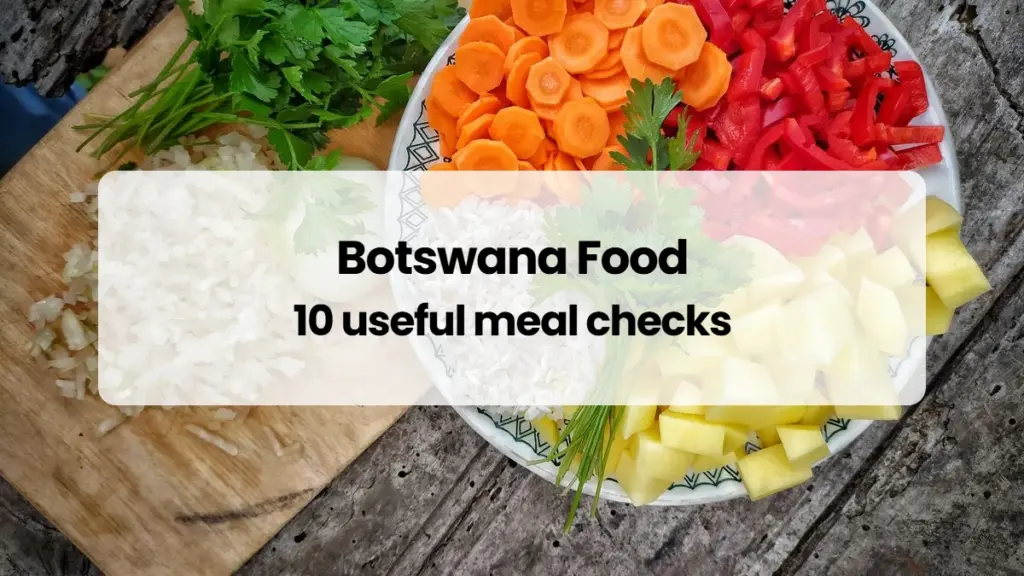
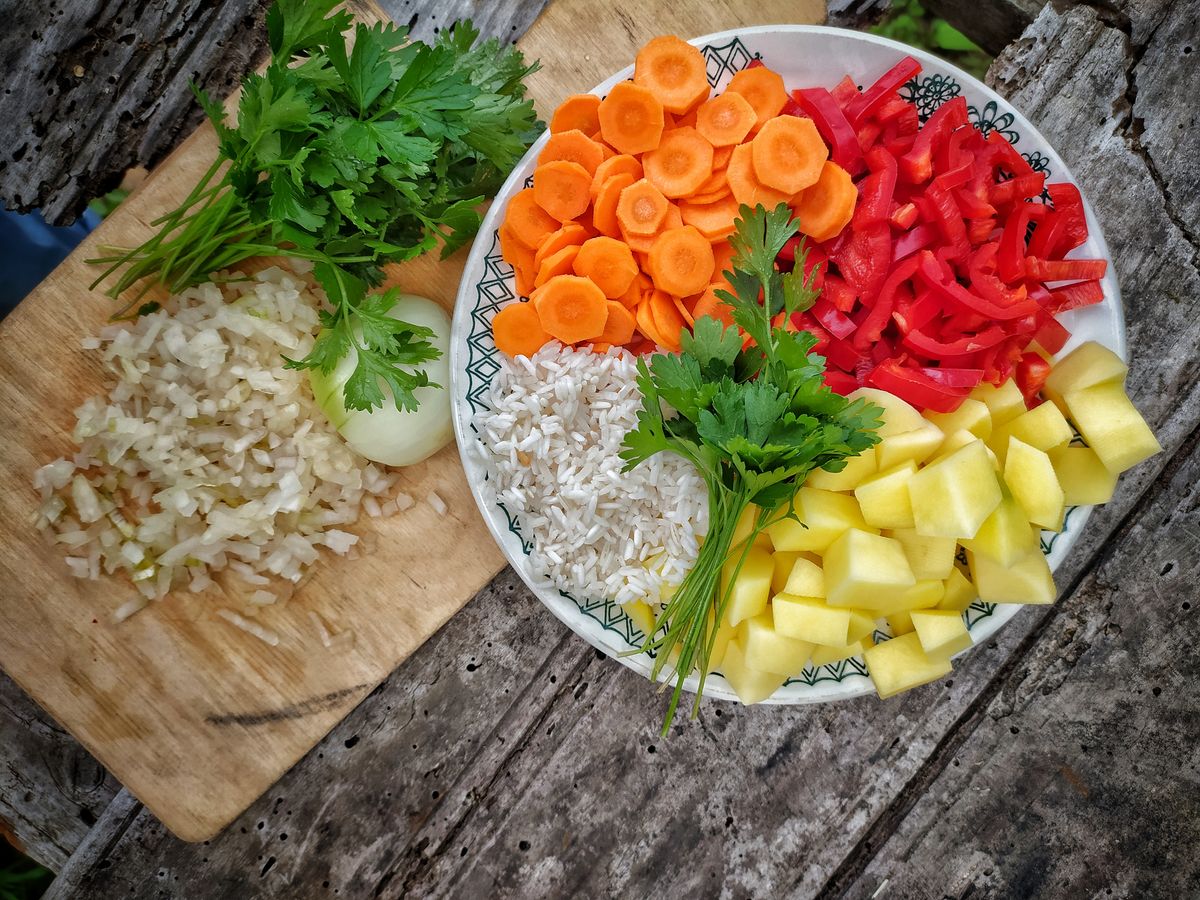
Look at the starch, relish, vegetables and accompaniments together. A photograph of one generous meat portion cannot tell you whether the complete meal suits your appetite, preferences or budget.
Before buying, ask what the plate includes and which extras cost more. Our Botswana shopping checklist applies here too. Compare the actual meal and collection costs, rather than a headline price detached from its portion size.
2. Understand seswaa without declaring one household correct
Seswaa is pounded cooked meat and a prominent part of Botswana food discussions. Research on local cuisine identifies it among dishes associated with Botswana’s culinary identity.
If you are ordering, ask which meat is used and whether the price includes a starch and vegetables. If you are hosting, ask guests about dietary requirements first. A familiar name is not a substitute for checking ingredients, nor proof that somebody with a food allergy can safely eat the dish.
3. Explore bogobe as part of Botswana food culture
Bogobe appears in several forms, so ask which version the cook is serving. Sorghum porridge and preparations involving lerotse are useful examples to learn about without expecting identical texture or flavour everywhere.
A BOPA report on traditional-food businesses names bogobe jwa lerotse among dishes served locally. That report establishes a culinary example, not today’s menu or price. When a dish is unfamiliar, ask for an explanation or a small suitable serving rather than ordering a large amount merely to complete a checklist.

4. Ask which greens are in the morogo
Morogo is another useful starting point for Botswana food discovery. Published local reporting refers specifically to morogo wa dinawa, illustrating why the name and ingredients deserve a conversation rather than an assumption.
Ask how the greens are prepared and whether meat stock, dairy or other ingredients are added. This is particularly useful when choosing a vegetarian meal. A vegetable name alone cannot establish that the finished dish meets a dietary requirement.
5. Give beans and grain dishes their own attention
Dikgobe and lethodi appear in Botswana food reporting alongside meat dishes. They deserve attention in their own right, rather than being described only as substitutes for something else.
Ask the cook to explain the ingredients and serving style. For a shared table, write down which dish supplies which role, so you do not accidentally order several similar starches and overlook the rest. Our older grocery-store directory can help form a shopping shortlist, but confirm present stock and ingredients directly before travelling.

6. Notice regional and family differences
Avoid correcting a host because an online article gave a different name. A BOPA account of Balete cultural preparations records local distinctions in dishes and terminology. It is historical cultural reporting, not an instruction that every family follows the same practice today.
A better Botswana food conversation begins with a question about how that household makes or names the dish. Listen to the explanation, especially at a cultural event. Photograph food or people only with appropriate permission, and do not present somebody’s personal account as a universal national rule.
7. Treat breads and dumplings as a separate choice
A meal with dumplings or bread has different practical requirements from one served immediately with porridge. Ask what is included, how large the portions are and whether it travels well if you are collecting food for later.
Our older guide to locally enjoyed treats offers further discovery ideas. Use it as background rather than a current availability list.
8. Check drinks and dairy accompaniments carefully
A food outing includes what you drink as well as what you eat. Ask about dairy, added sugar and preparation where these affect your preferences or dietary needs. Do not assume a homemade or traditional drink is automatically alcohol-free, suitable for everyone or safe to keep unrefrigerated.
Our historical gemere article introduces one local drink tradition. Ask the actual maker about the batch you are offered.
9. Support a local food business with useful questions
Choose a business by fit, reliable information and practical service, rather than an unsupported claim that it is the most authentic. Confirm opening hours, collection time, order size and cancellation arrangements through the business’s current contact route.
Use this simple ordering note when comparing Botswana food options.
| Question | Record before ordering |
|---|---|
| What is included? | Main dish, starch, vegetables and extras |
| Who is eating? | Number of people and dietary requirements |
| When is it needed? | Collection or delivery time |
| What is the full cost? | Meal, transport and additional portions |
This is an editorial comparison tool, not a measured restaurant score.
10. Make food handling part of the plan
Keep clean, separate raw and cooked items, cook thoroughly, maintain safe temperatures and use safe water. These are the World Health Organization’s five safer-food principles.
For a takeaway, think about the journey and when you will eat, not only whether the food is hot at collection. Ask the supplier about appropriate storage and reheating.
Frequently asked questions
Is Botswana food the same everywhere?
No single menu can represent every household or community. Published Botswana accounts show different names and preparations, while cooks make their own choices. Use a general guide to begin a conversation, then ask the person preparing the meal what their version includes and how it is normally served.
Is a vegetable dish necessarily vegetarian?
Not necessarily. Ask about the full preparation, including stocks, fats and added ingredients. Explain your actual dietary requirement rather than relying only on the dish’s name. For allergies or medically necessary restrictions, discuss cross-contact and suitability with the supplier instead of treating a cultural description as a safety guarantee.
Where should I begin if I am unfamiliar with these dishes?
Choose a meal that someone can explain clearly, ask what the plate includes and start with portions you can use. Keep notes about what you enjoyed so your next Botswana food choice builds on your preferences.
Can old restaurant articles confirm today’s availability?
No. Historical reporting can identify a food tradition or a business that operated at that time. It cannot establish current hours, prices, ownership or menus. Check directly before travelling or paying, particularly when you need food for a gathering, a particular date or a specific dietary requirement.
How can I explore Botswana food without overspending?
Set a complete meal budget, including transport, before choosing a venue or menu. Compare what is actually included and avoid ordering extra food simply to try everything. Our shopping guide supplies a practical cost checklist. Keep any illustrative online prices separate from the current quotation a supplier gives you.
Choose your next meal deliberately
Pick one dish you want to understand, ask its maker about the ingredients and choose suitable accompaniments. Use the shopping checklist to compare the complete cost, then keep the conversation open. Botswana food is a living part of everyday life, not a list to finish in one sitting.
Sources
North-West University research on Botswana local cuisine.
BOPA reporting on traditional dishes and local food businesses.
BOPA historical reporting on Balete cultural food differences.